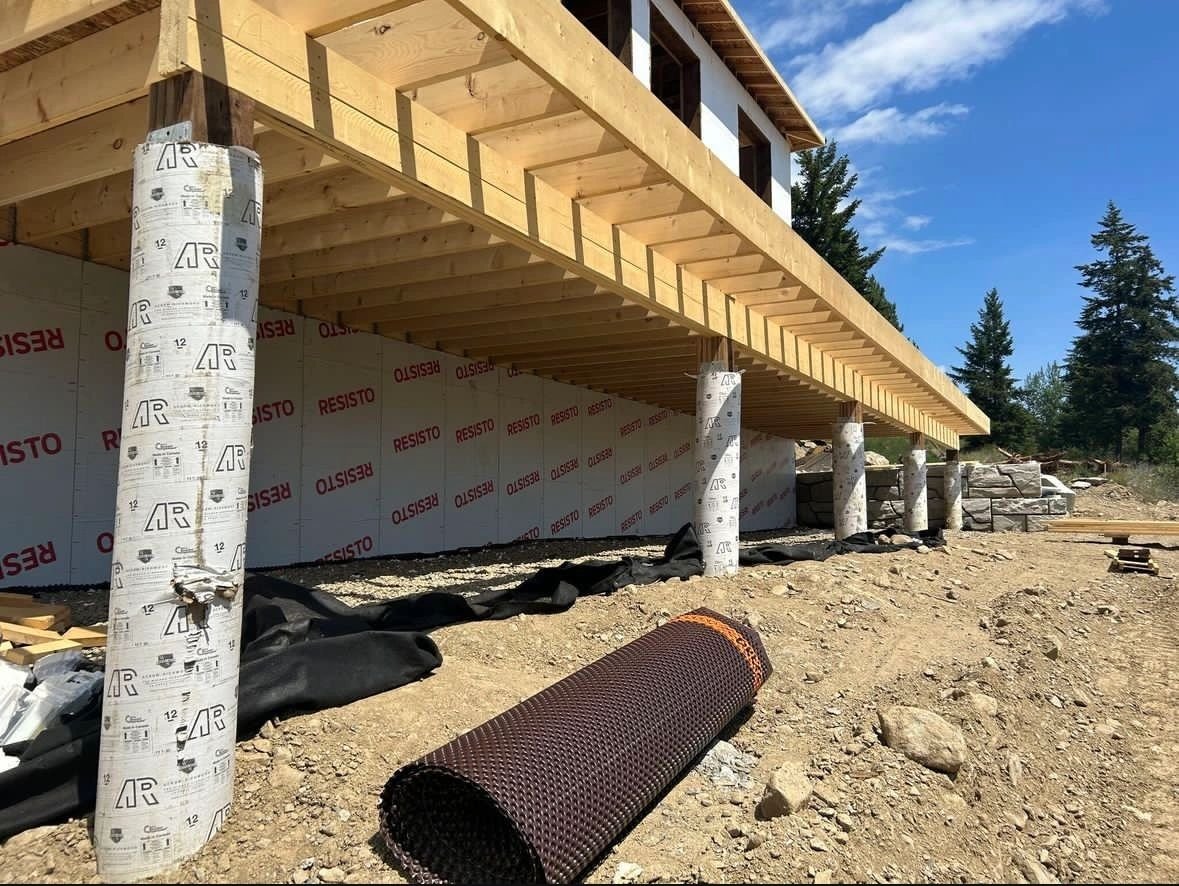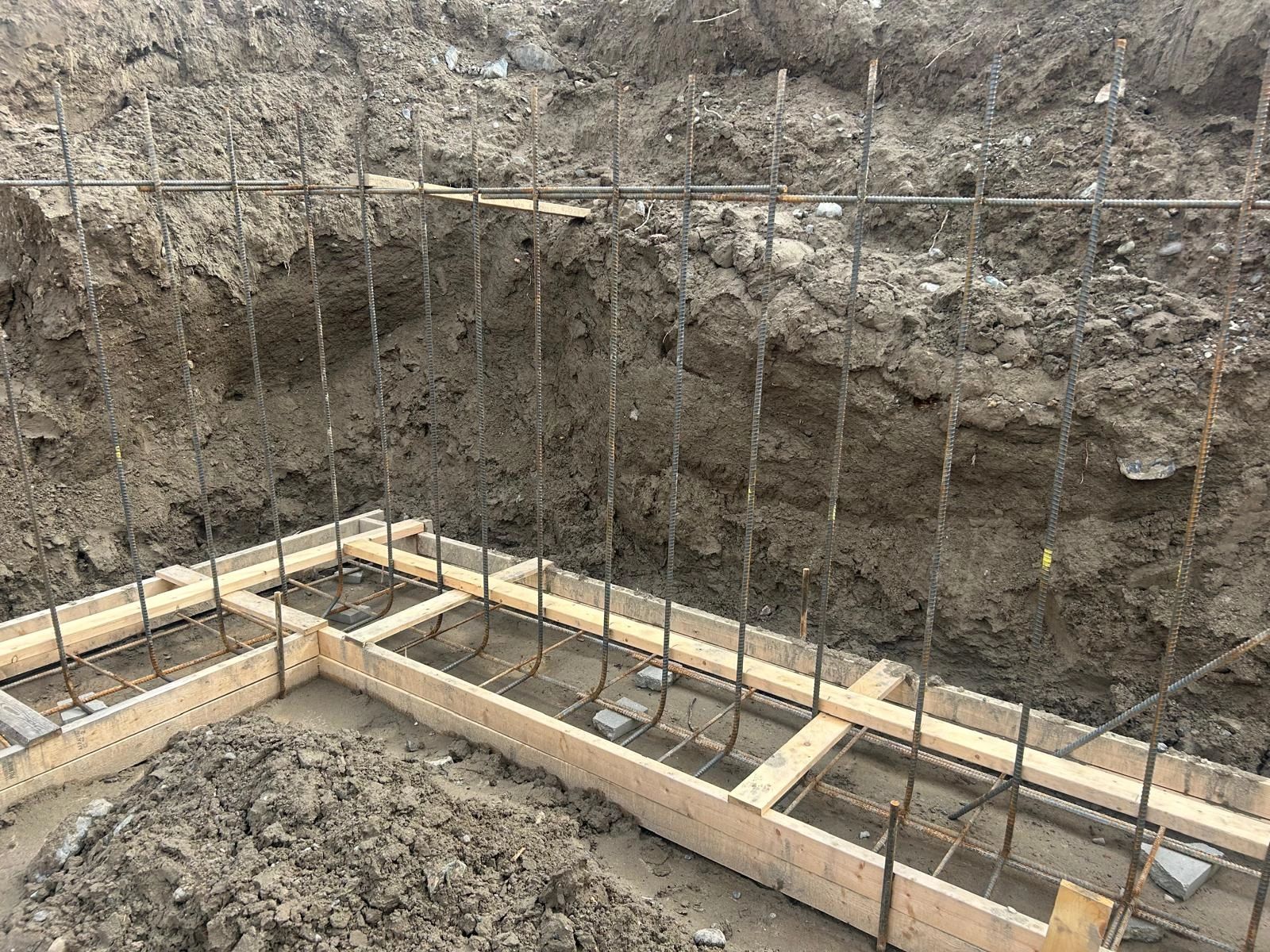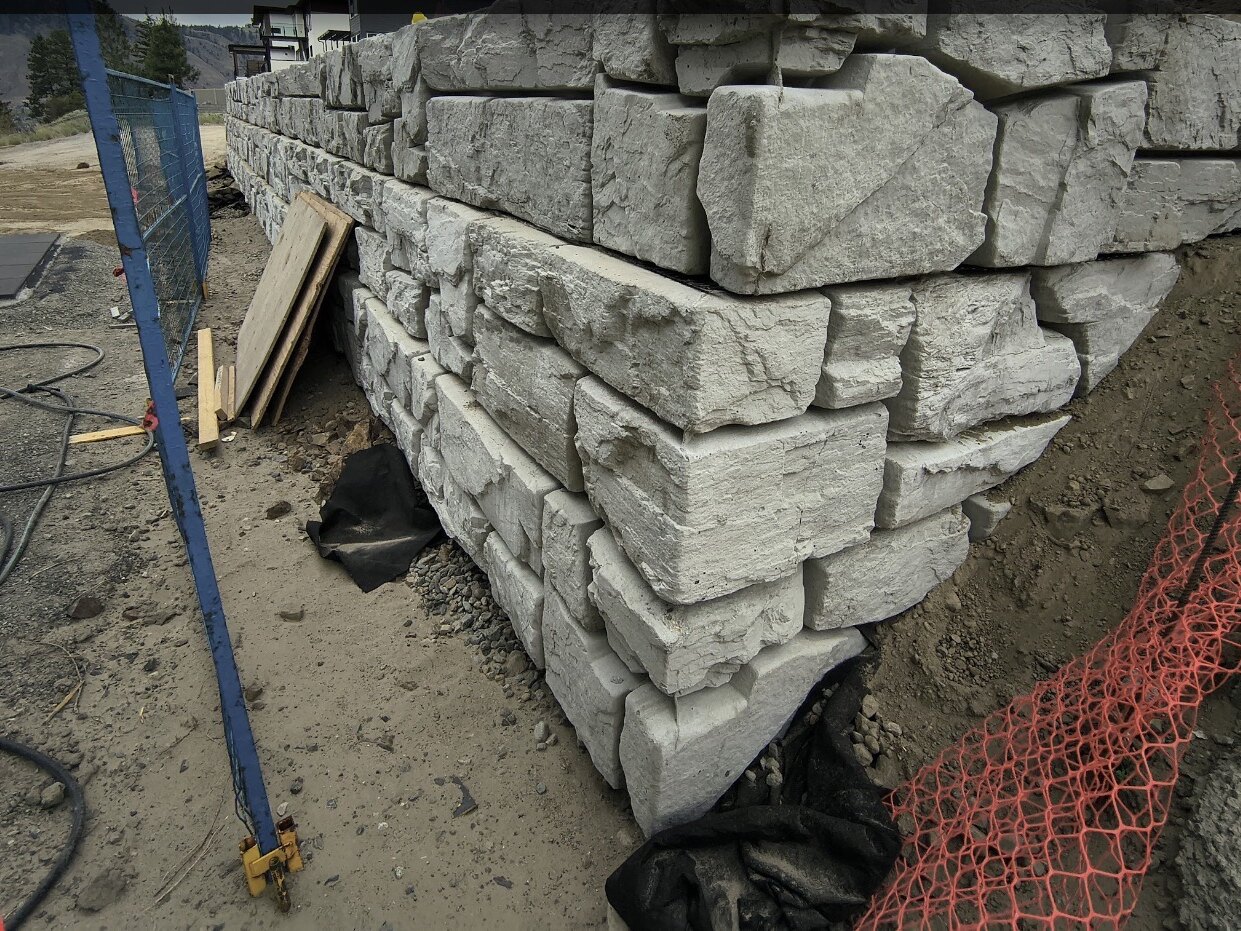

In Richmond, BC, weak soils and high groundwater present unique challenges for building and maintaining safe foundations. Recently, our team at BC Foundations was retained to underpin an existing structure on Granville Avenue in Richmond. The home had begun to show signs of settlement, and geotechnical conditions indicated the presence of saturated sands — a soil profile common across Richmond.
The Challenge: Saturated Sand and Liquefaction Risk
Richmond is built on a delta plain composed largely of alluvial sands and silts. These soils are often loose, saturated, and prone to a geotechnical hazard known as liquefaction.
Liquefaction occurs during seismic shaking when saturated sand layers lose their strength and behave like a fluid. Instead of supporting loads, the soil can allow structures to settle, tilt, or even fail catastrophically. Because of this, foundations in Richmond require special attention to both settlement control and earthquake resilience.
In this project, the saturated sand profile extended well below surface grade, meaning that traditional shallow foundation repairs would not be effective. A deep underpinning system was needed to bypass the weak soils and transfer building loads into denser, more competent strata.
The Solution: Underpinning with Helical Piles
Our engineering team designed and installed a system of 2-7/8″ diameter helical piles with underpinning brackets. Each pile was advanced 35 to 40 feet into the ground, threading through the saturated sand and into a stable bearing layer below.
Key elements of the solution included:
- Deep embedment — by extending piles well beyond the liquefiable sand layer, we ensured the foundation load paths terminate in soils not subject to seismic strength loss.
- Torque monitoring — installation was tracked in real-time using hydraulic drive heads with torque readouts, ensuring each pile achieved the design bearing capacity before being locked into the foundation.
- Structural connection — underpinning brackets transferred the weight of the existing foundation directly to the piles, effectively bypassing the compromised soils.
Why Helical Piles Perform in Liquefaction-Prone Areas
Helical piles are particularly effective in sites like Richmond because:
- They can be installed to significant depths with relatively compact equipment.
- They provide measured resistance through torque-to-capacity correlation, giving engineers confidence in actual installed performance.
- They can be installed in saturated, granular soils without the need for large excavations, minimizing disturbance and groundwater issues.
- By penetrating below liquefaction-prone horizons, they provide a stable load-transfer mechanism even if upper soil layers lose strength during an earthquake.
Project Outcome
The underpinning system successfully stabilized the structure, halting ongoing settlement and providing a foundation designed to resist both static and seismic loads. With piles embedded 35–40 feet into competent soils, the building is now protected against the risk of foundation failure due to liquefaction — a critical consideration in Richmond’s seismic environment.
At BC Foundations, we specialize in combining geotechnical insight, structural engineering, and field expertise to deliver tailored solutions for BC’s diverse soil conditions. From Richmond’s deltaic sands to Interior slopes and Northern BC clays, our mission is the same: Strong. Reliable. Foundations. Anywhere in BC.
Contact us today to learn more about our underpinning and deep foundation services.